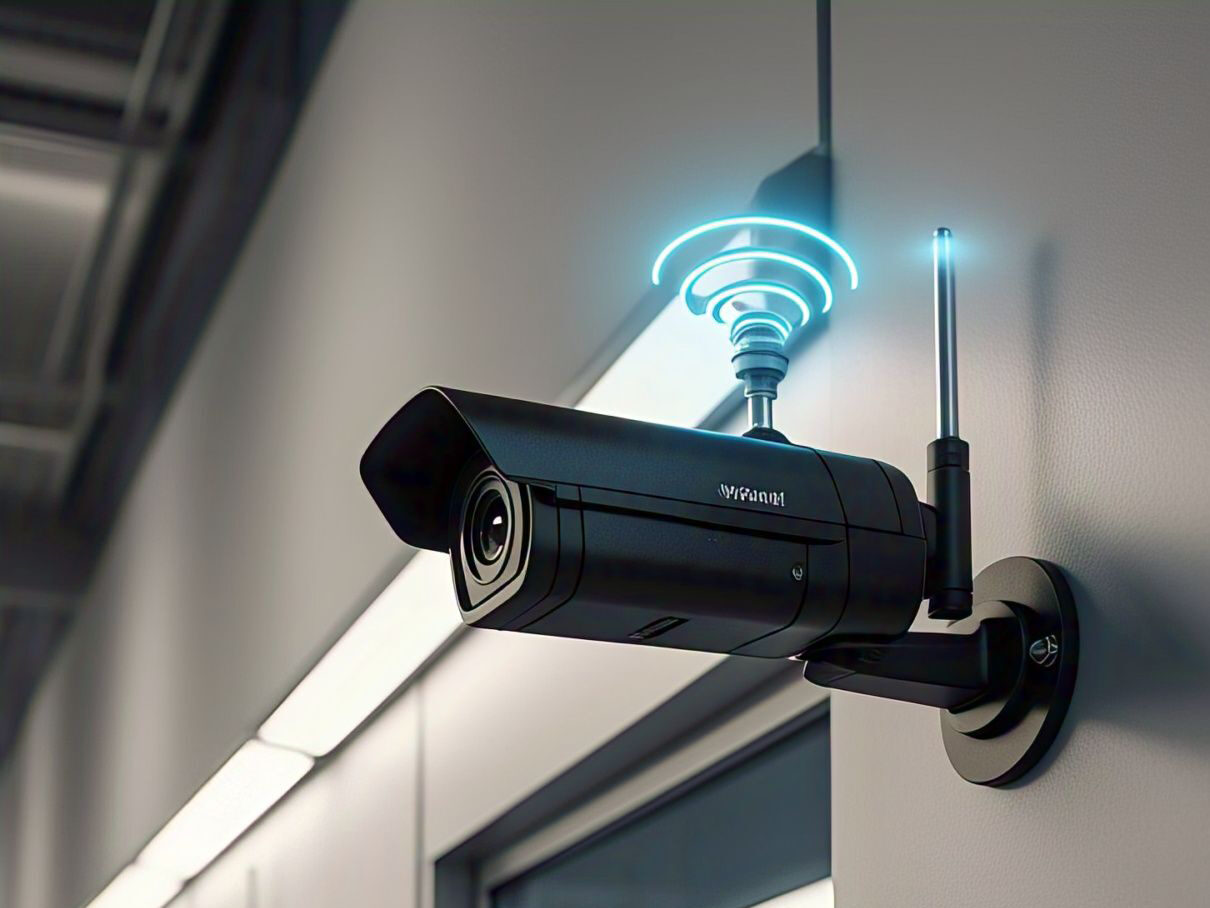
Using Wi-Fi cameras while signal jammers are cheap and accessible can be particularly risky for several reasons:
Watch this video.
Or this one as proof.
Watch this video of how to make your own jammer using a R200 ESP32.
1. Vulnerability to Jamming
Disruption of Surveillance: Signal jammers can easily block Wi-Fi signals, rendering your Wi-Fi cameras useless. This means your surveillance system could fail precisely when you need it most, such as during a break-in or security threat.
No Backup Communication: Unlike wired cameras, Wi-Fi cameras rely entirely on wireless signals. If the signal is jammed, there’s no fallback communication method.
2. Security Breaches
Targeted Attacks: Criminals with access to cheap jammers can intentionally disrupt your Wi-Fi cameras to disable your security system before committing a crime.
Blind Spots: Jamming can create blind spots in your surveillance coverage, leaving your property vulnerable.
3. Dependence on Wi-Fi
Single Point of Failure: Wi-Fi cameras depend on a stable Wi-Fi connection. If the signal is jammed or interrupted, the cameras cannot transmit footage, leaving you without real-time monitoring or recording.
4. Limited Effectiveness in Critical Situations
Real-Time Monitoring: If you rely on Wi-Fi cameras for real-time alerts or monitoring, jamming can delay or prevent you from receiving critical information.
Evidence Collection: Jamming can interrupt recording, potentially causing gaps in footage that could be crucial for investigations or evidence.
5. Ease of Access to Jammers
Widespread Availability: Signal jammers are relatively inexpensive and easy to obtain, making it simple for malicious actors to disrupt Wi-Fi-based systems.
Legal but Misused: While jammers are illegal in many countries for civilian use, they are still available on the black market or through unauthorized channels.
6. Lack of Redundancy
Wi-Fi cameras typically lack redundancy in communication methods. If the Wi-Fi signal is jammed, there’s no alternative way for the cameras to transmit data.
Alternatives to Wi-Fi Cameras
If you’re concerned about the risks of signal jamming, consider these alternatives:
Wired Cameras (e.g., PoE Cameras):
Use Ethernet cables for power and data transmission, making them immune to signal jamming.
More reliable and secure for critical surveillance.
Hybrid Systems:
Combine wired and wireless technologies to balance flexibility and reliability.
Use wired connections for critical areas and Wi-Fi for less critical monitoring.
Cellular-Based Cameras:
Use cellular networks (4G/5G) instead of Wi-Fi, making them harder to jam (though not impossible).
Ideal for remote locations without Wi-Fi access.
Local Storage Options:
Use cameras with local storage (e.g., SD cards or NVRs) to ensure footage is saved even if the signal is disrupted.
Mitigation Strategies if You Must Use Wi-Fi Cameras
If you still prefer Wi-Fi cameras, take these steps to reduce risks:
Secure Your Network: Use strong passwords, encryption (WPA3), and regular firmware updates.
Monitor for Jamming: Deploy Wi-Fi signal monitoring tools to detect and alert you to potential jamming attempts.
Redundant Systems: Combine Wi-Fi cameras with other security measures (e.g., motion sensors, wired cameras) to ensure coverage even if the Wi-Fi is disrupted.
In summary, while Wi-Fi cameras are convenient, their vulnerability to cheap and accessible signal jammers makes them less reliable for critical security needs. For robust and uninterrupted surveillance, consider wired or hybrid systems that are less susceptible to such disruptions.