
The focal length of a CCTV (Closed-Circuit Television) camera lens is a critical factor that determines the field of view (FOV) and the level of magnification of the image captured by the camera. Here’s a breakdown of the differences in CCTV focal lengths:
I prefer 2.8mm focal length as I get to cover way more areas in my yard.
If a 2.8mm 4MP camera is positioned just right it will also be capable of reading a number plate.
- Short Focal Length (e.g., 2.8mm, 3.6mm):
- Wide Field of View: Cameras with short focal lengths provide a wide field of view, making them ideal for monitoring large areas such as parking lots, warehouses, or retail stores.
- Lower Magnification: These lenses offer less magnification, so objects at a distance will appear smaller and less detailed.
- Distortion: Wide-angle lenses can introduce some distortion, especially at the edges of the image, making straight lines appear curved. This camera has a build in edge straightener.
- Medium Focal Length (e.g., 6mm, 8mm):
- Moderate Field of View: These lenses offer a balance between a wide field of view and magnification, suitable for monitoring medium-sized areas like hallways, offices, or backyards.
- Moderate Magnification: Objects at a distance will appear larger and more detailed compared to wide-angle lenses but still cover a reasonable area.
- Less Distortion: There is less distortion compared to wide-angle lenses, providing a more natural-looking image.
- Long Focal Length (e.g., 12mm, 16mm, 50mm):
- Narrow Field of View: Cameras with long focal lengths provide a narrow field of view, making them ideal for focusing on specific areas or objects, such as entry points, driveways, or license plates.
- Higher Magnification: These lenses offer greater magnification, allowing for detailed views of distant objects.
- No Distortion: Long focal length lenses typically have minimal distortion, providing clear and accurate images.
Key Considerations:
- Fixed vs. Varifocal Lenses: Some CCTV cameras come with fixed focal length lenses, meaning the field of view and magnification are constant. Others have varifocal lenses, which allow you to adjust the focal length within a certain range, providing flexibility in how you monitor a scene.
- Sensor Size: The effective focal length can also be influenced by the size of the camera’s image sensor. A larger sensor can provide a wider field of view for the same focal length compared to a smaller sensor.
- Application: Choosing the right focal length depends on the specific application. For example, a wide-angle lens is better for general surveillance, while a telephoto lens is better for identifying details at a distance.
Understanding these differences helps in selecting the right CCTV camera for your specific surveillance needs, ensuring optimal coverage and image quality.
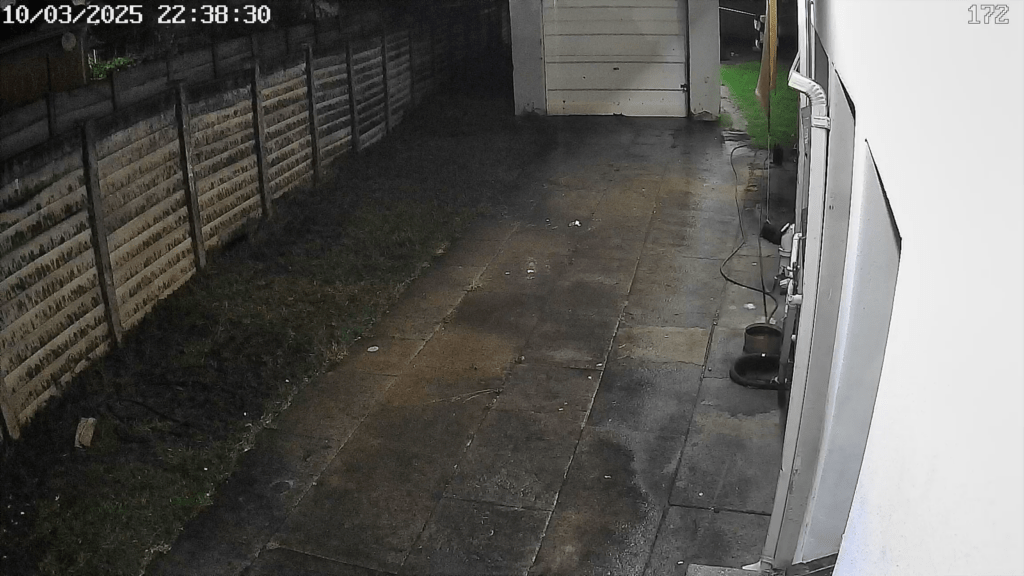
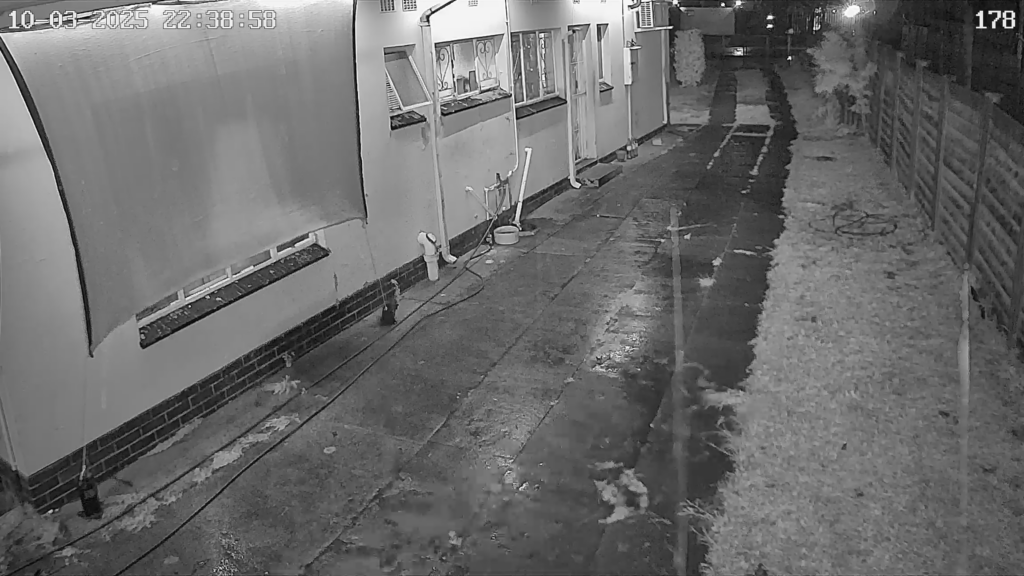
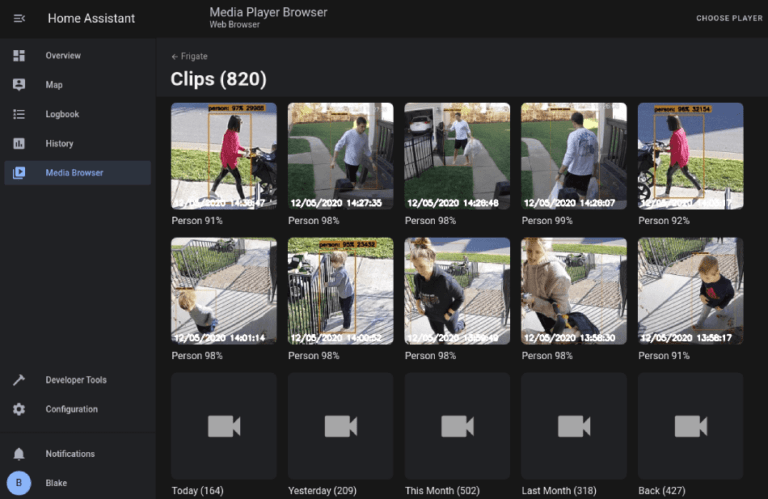
Above 2 images demonstrates the application use case for different focal lengths.
All my other cameras are 2.8mm, as I want to cover as much ground as possible. My idea is not to recognize a persons face, but rather detect any human.