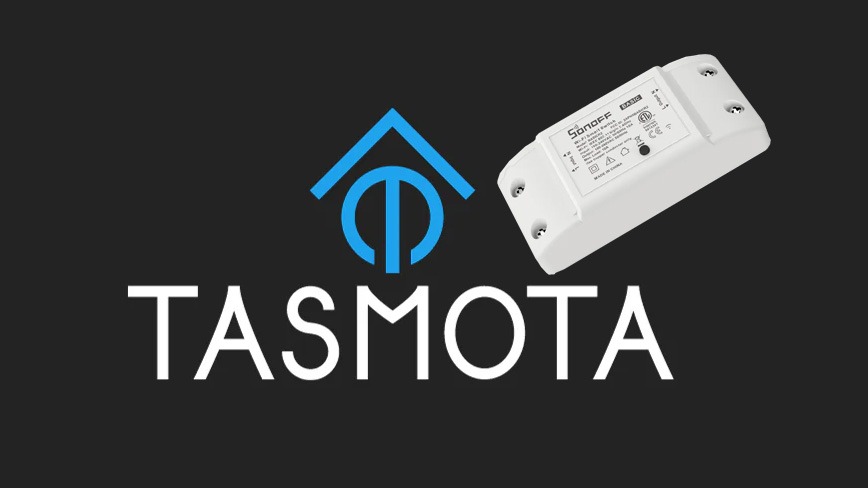
Tasmota is an open-source firmware for ESP8266-based devices, which are commonly used in smart home applications. It is designed to replace the original firmware on devices like smart plugs, light switches, and other IoT (Internet of Things) devices, providing users with more control, customization, and local management options.
Key Features of Tasmota:
- Local Control: Tasmota allows devices to be controlled locally over a network without relying on cloud services. This enhances privacy and reduces dependency on external servers.
- MQTT Support: It supports the MQTT (Message Queuing Telemetry Transport) protocol, enabling seamless integration with home automation systems like Home Assistant, OpenHAB, and Node-RED.
- Web Interface: Tasmota provides a user-friendly web interface for configuring and controlling devices directly from a browser.
- Customization: Users can customize the firmware to suit their specific needs, including adding or removing features, modifying device behavior, and integrating with other systems.
- Over-the-Air (OTA) Updates: Tasmota supports OTA updates, making it easy to update the firmware without physically accessing the device.
- Wide Hardware Support: It is compatible with a wide range of ESP8266-based devices, including smart plugs, light bulbs, sensors, and more.
- Energy Monitoring: For devices with energy monitoring capabilities, Tasmota can provide detailed power consumption data.
- Rules Engine: Tasmota includes a rules engine that allows users to create custom automation scripts directly on the device.
How Tasmota Works:
- Firmware Replacement: Tasmota is flashed onto the device, replacing the original firmware. This process typically involves using tools like ESPHome or Tasmotizer.
- Configuration: Once installed, the device can be configured via its web interface or MQTT. Users can set up Wi-Fi credentials, MQTT server details, and other parameters.
- Integration: Tasmota devices can be integrated into larger smart home ecosystems using MQTT or HTTP commands.
Advantages of Tasmota:
- Privacy: Since Tasmota operates locally, it does not send data to external servers, enhancing user privacy.
- Flexibility: The open-source nature of Tasmota allows for extensive customization and integration with various home automation systems.
- Community Support: Tasmota has a large and active community, providing extensive documentation, tutorials, and support.
Disadvantages of Tasmota:
- Technical Knowledge Required: Flashing and configuring Tasmota requires some technical knowledge, which might be a barrier for non-technical users.
- Voiding Warranties: Replacing the original firmware with Tasmota may void the warranty of the device.
Common Use Cases:
- Smart Plugs: Convert generic smart plugs into locally controlled devices with energy monitoring.
- Light Switches: Replace firmware on smart light switches for better integration with home automation systems.
- Sensors: Use Tasmota to manage and integrate various sensors (e.g., temperature, humidity) into a smart home setup.
Conclusion:
Tasmota is a powerful and flexible firmware for ESP8266-based devices, offering local control, extensive customization, and integration capabilities. It is particularly popular among tech-savvy users and those who prioritize privacy and local management in their smart home setups.
For a more in depth instruction check out this post.